
Jump
JUMP is a disruptive mobile solution designed to eliminate the anxiety of missed flights and the waste of empty airplane seats. By aggregating unsold inventory from major airlines and private charters in real-time, JUMP connects stranded travelers or "immediate-need" flyers with deeply discounted last-minute tickets. Our mission is to transform the frustration of a missed connection into a seamless, one-tap booking experience, bringing the agility of ridesharing to the skies.


The Vision: A Frictionless Financial Hub The core design challenge was to simplify complex financial operations while providing an engaging shopping experience. I implemented a "Switchable Core" architecture that allows users to move from deep administrative tasks to lifestyle purchasing without cognitive friction.
Intelligent Backoffice & Active Billing: The "Cobros Activos" interface allows merchants to manage multiple pending transactions simultaneously. By providing a granular view of products—ranging from high-end electronics like the iPhone 14 Pro Max to sneakers—the backoffice transforms cold data into a visual inventory management tool. Hardware-Free "Scan-to-Pay" Experience: To accelerate the point-of-sale process, I designed a high-fidelity scanning flow.
Sellers can process payments by simply having customers "Insert or Slide" their cards against the device, utilizing integrated NFC and camera-scanning tech to confirm transactions instantly. Immersive Marketplace Integration: Moving away from traditional list-based shopping, the app features a "Visual Commerce" module.
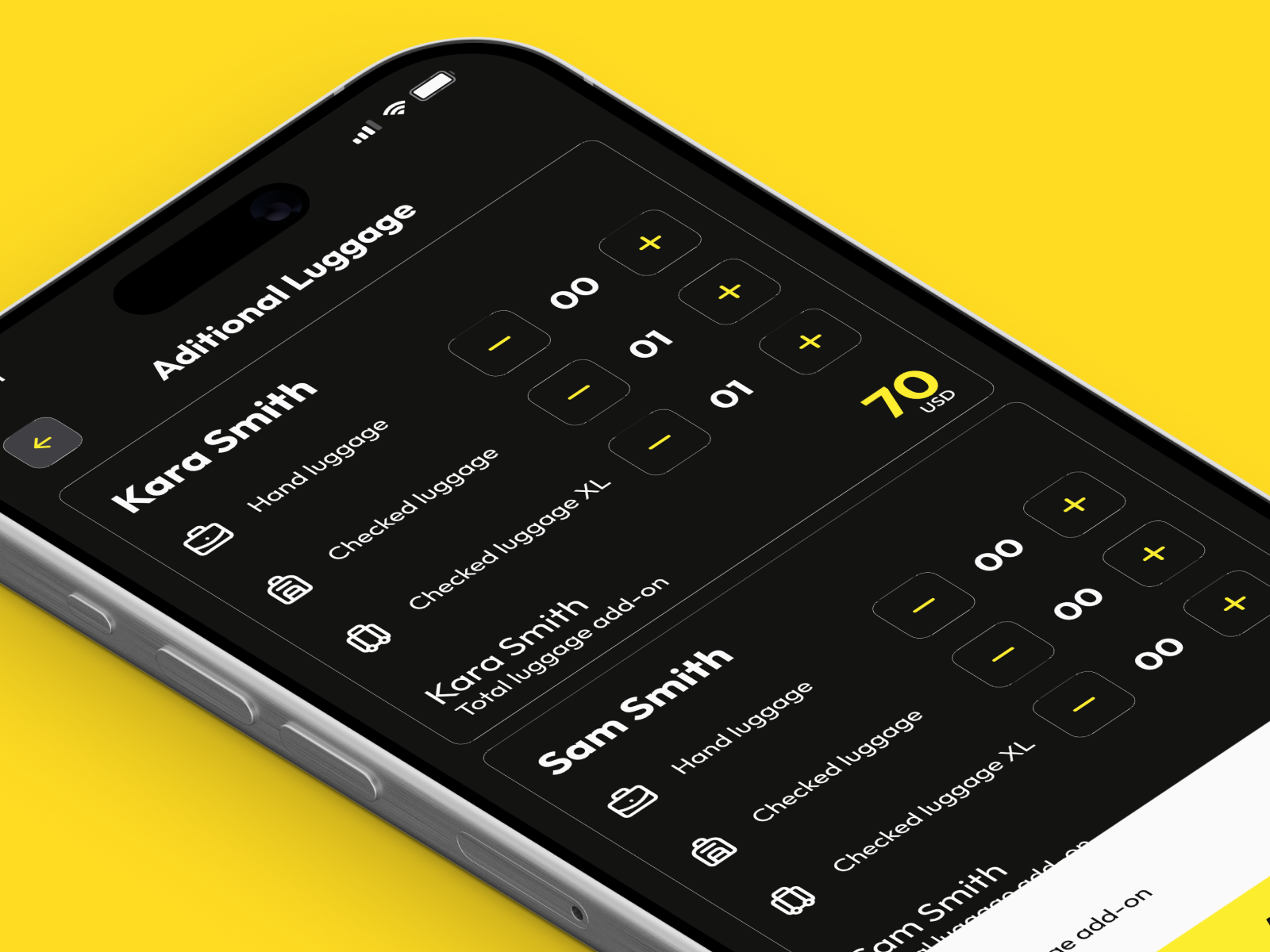
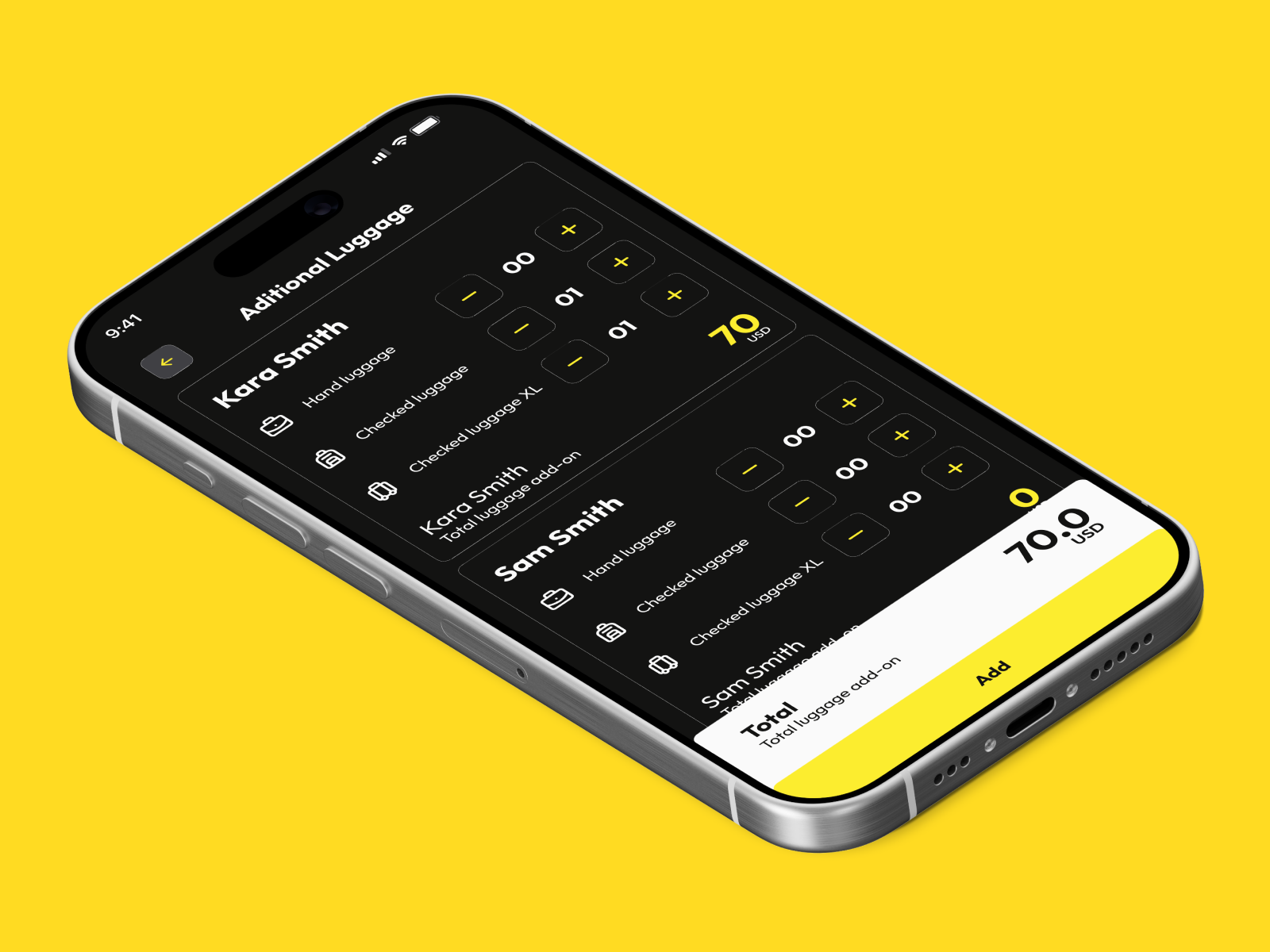
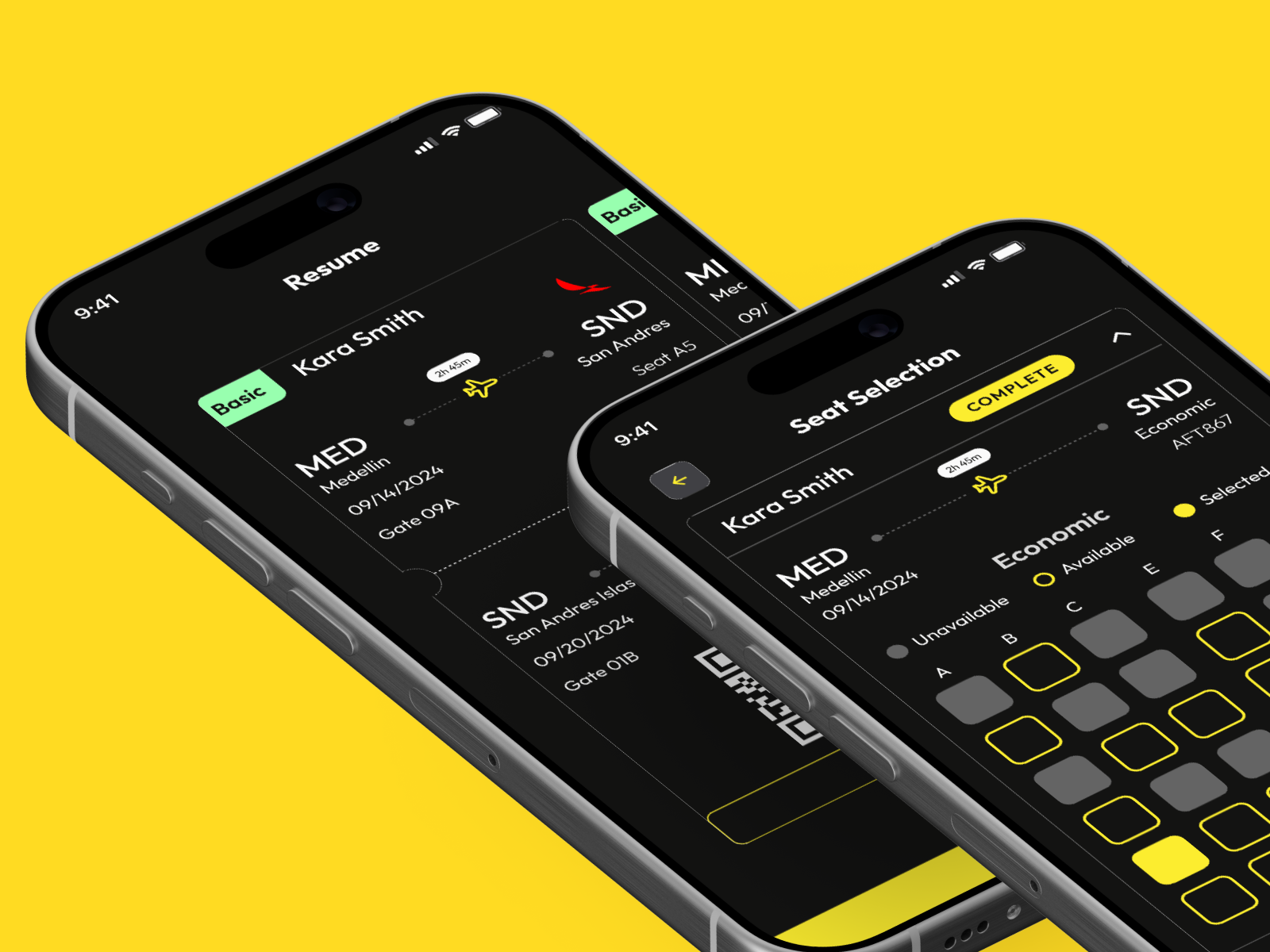
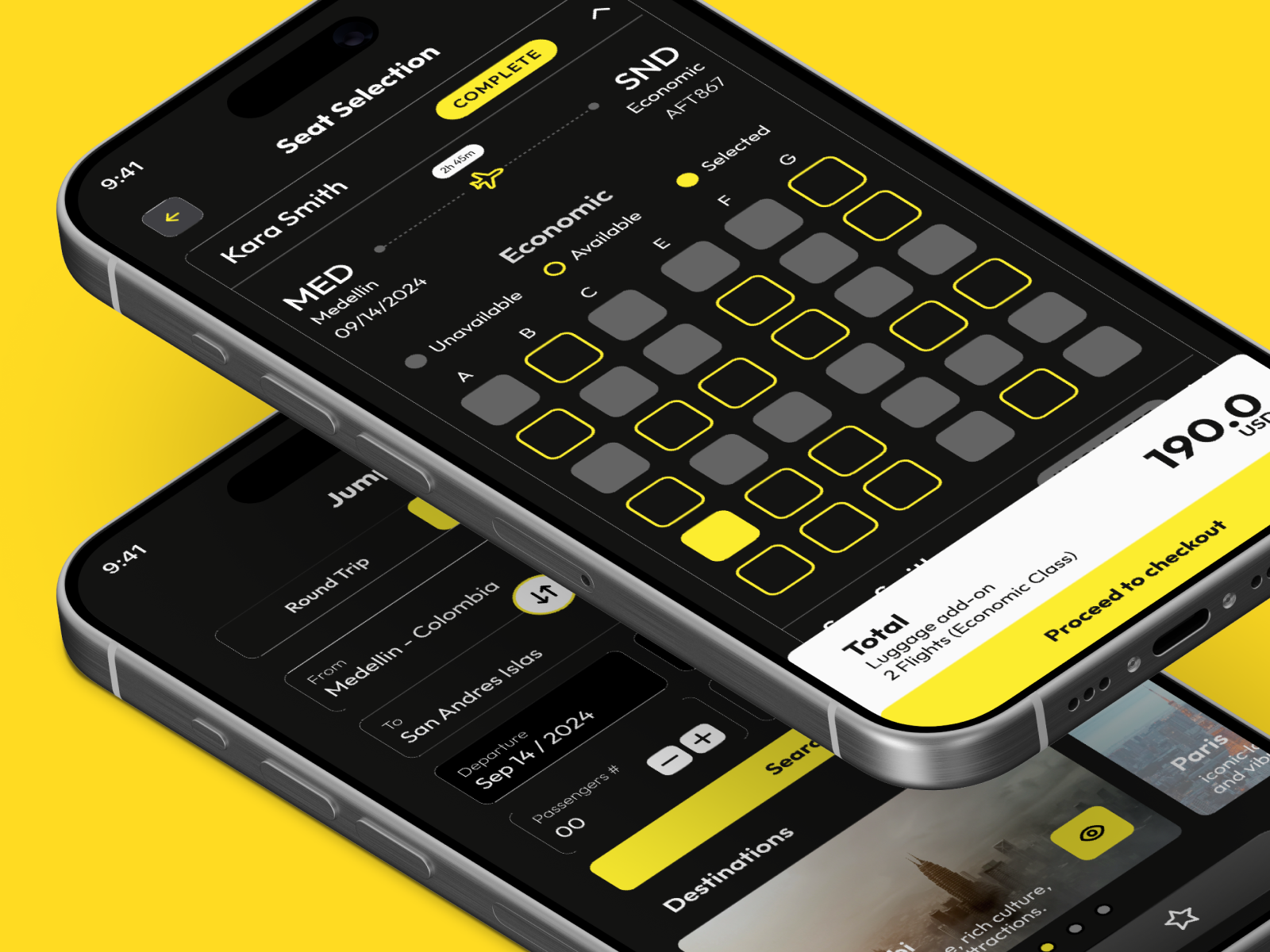
The Vision: Turning Dead Inventory into Instant Opportunity The core of JUMP lies in its ability to solve two major pain points: the airline's loss on empty seats and the passenger's desperation when traditional booking windows close. We focused on three strategic pillars to define the experience: Hyper-Reactive UX: Unlike traditional travel apps that require complex filtering, JUMP utilizes a "Rescue Me" interface. Upon opening the app, the system detects the user's location (the airport) and immediately pushes the next three departing flights available, reducing the "time-to-ticket" to under 60 seconds. Trust Through Radical Transparency: To compete with established carriers, we implemented a UI that prioritizes clarity over clutter. Users see the final All-In" price immediately—no hidden baggage fees or seat selection surcharges—and a live countdown timer for gate closure to ensure they can physically reach the flight.
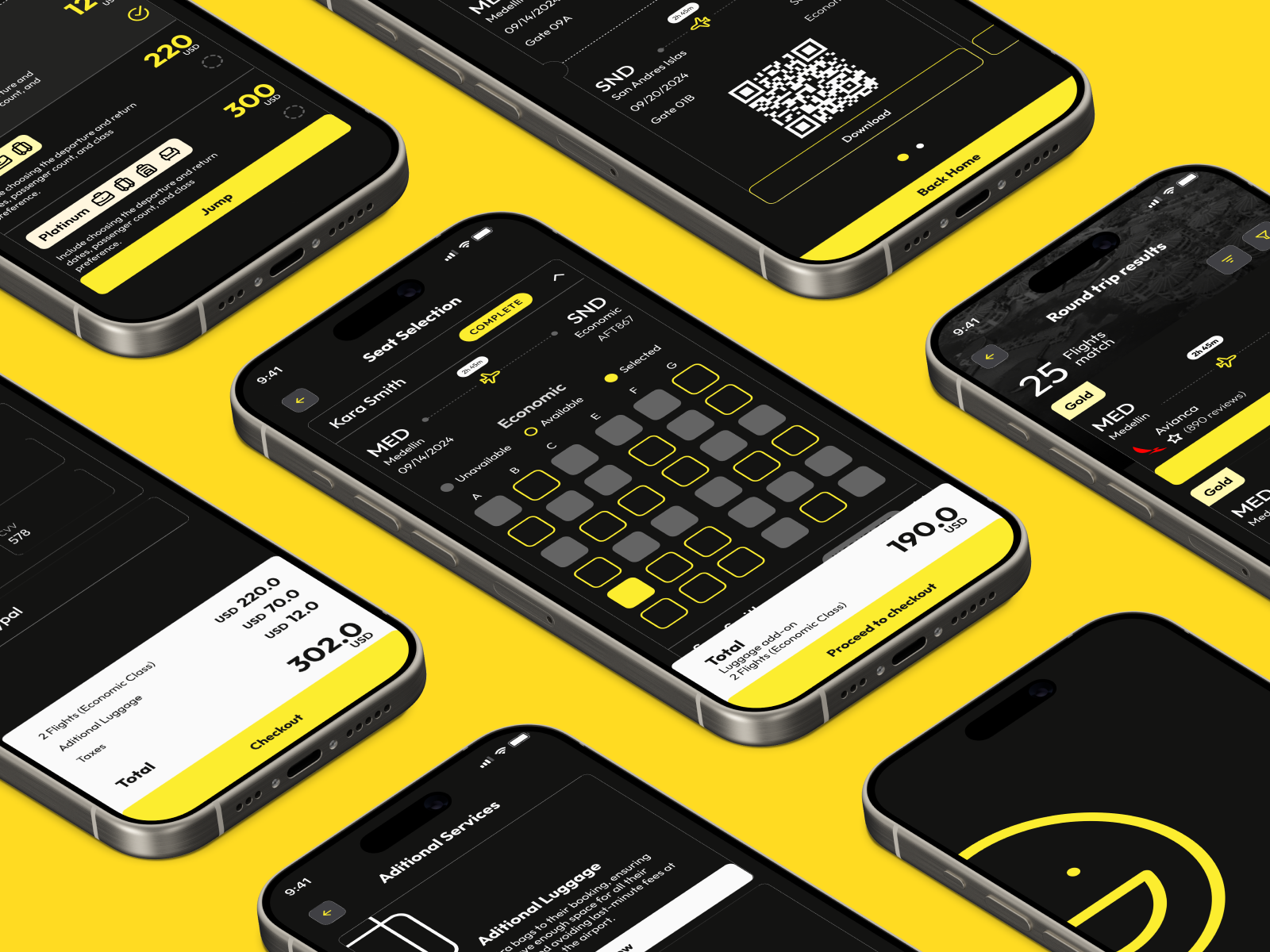
Predictive Demand Integration: Drawing inspiration from Uber’s surge pricing and matching algorithms, JUMP uses predictive data to alert users when "Ghost Seats" (unsold inventory) become available on their frequent routes, creating a "push" rather than "pull" sales model that caters to the nomadic and business traveler alike. User Research & Competitive Analysis Market Insights To ground the project, I conducted a comparative study between Traditional Aviation (Legacy Carriers) and On-Demand Logistics (Uber/Lyft):
Uber Benchmark: Users value the "Low Cognitive Load." In Uber, you don't "search" for a car; the car is presented to you. JUMP adopts this by presenting "Available Now" options based on the user's current GPS coordinates at the terminal. Airline Friction: Research showed that 70% of travelers find airline apps too slow during emergencies.
Most apps are designed for planning weeks in advance, not for the "I need a flight in 2 hours" use case.
Each project tells a different story — discover them all.